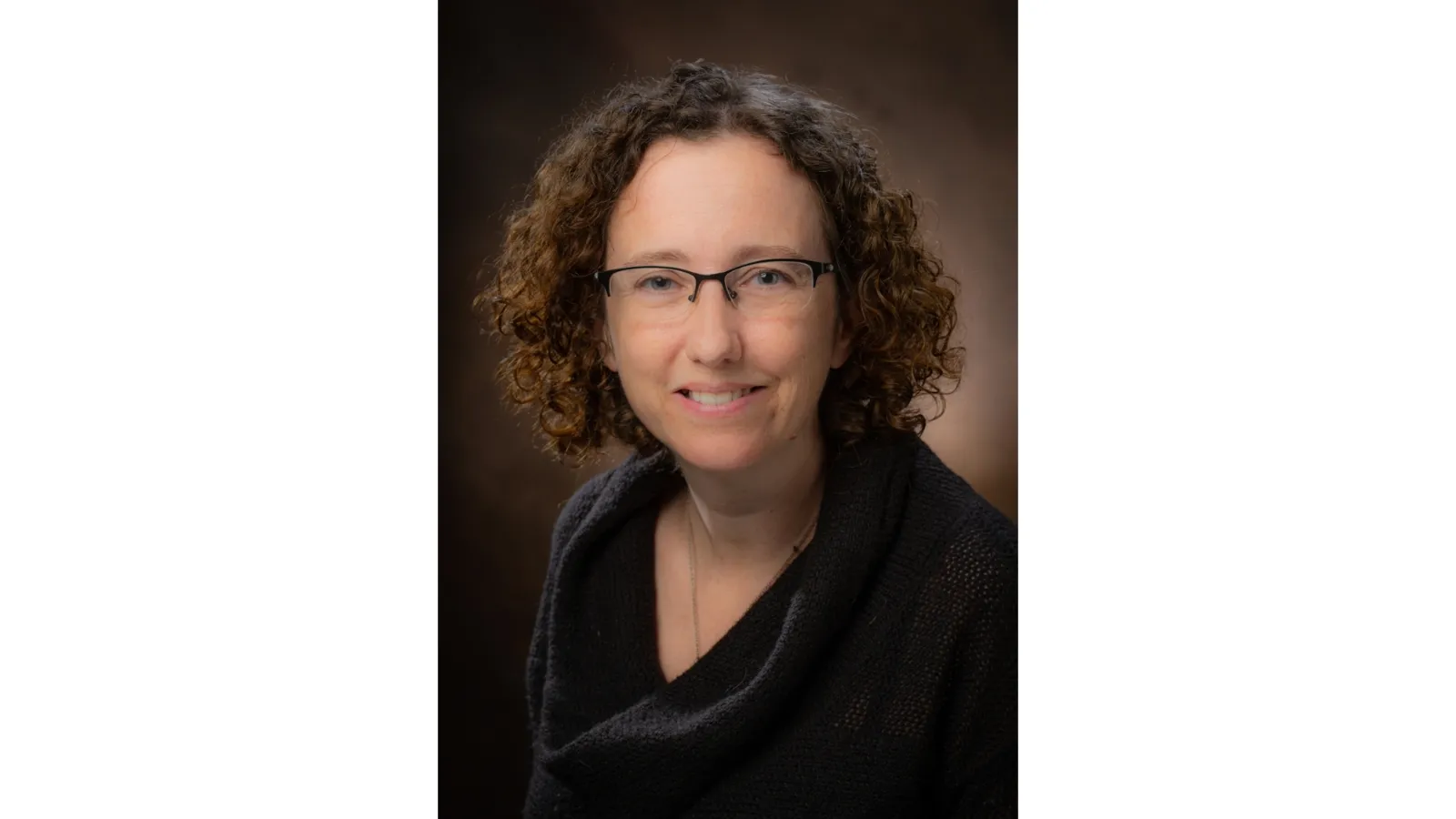
"Epistemic Injustice, Disability, and Knowing People"
Abstract: Disability activists have long argued that institutions and policies addressing disability ought to be created with significant input from disabled people. This point is succinctly articulated in the slogan, “nothing about us without us.” On such a view, systematically excluding disabled people from collective knowledge projects about disability and disabled people’s lives should surely count as a form of epistemic injustice. It is curious, therefore, that the main model for epistemic injustice would be framed in such a way that, as Amandine Catala (2025) argues, makes it appear as though people with particular cognitive disabilities cannot, in principle, be victims of epistemic injustice. In this talk, I consider Catala’s remedy for this problem and recommend a different sort of remedy: the addition of entirely new pictures of epistemic wrongs that do not expand upon current pictures, but that begin with cases of knowing people instead of knowing facts.
Gaile Pohlhaus, Jr, is a Professor of Philosophy at Miami University.